From AI Adoption to Real Business Outcomes: Why Execution Matters More Than Tools
AI adoption is accelerating, but most companies still struggle to translate it into real business outcomes. The key is not the tools, but how AI is embedded into workflows to reduce friction and speed up decision-making.

AI is everywhere right now. Every week there is a new model, a new feature, a new capability. Most companies are experimenting, testing, and adopting these tools. But there is a gap that is becoming more obvious. Despite all this activity, many businesses are still not seeing meaningful outcomes. The core issue is not the technology. It is that workflows and decision structures have not changed. This talk focused on one idea: moving from AI adoption to real business outcomes.
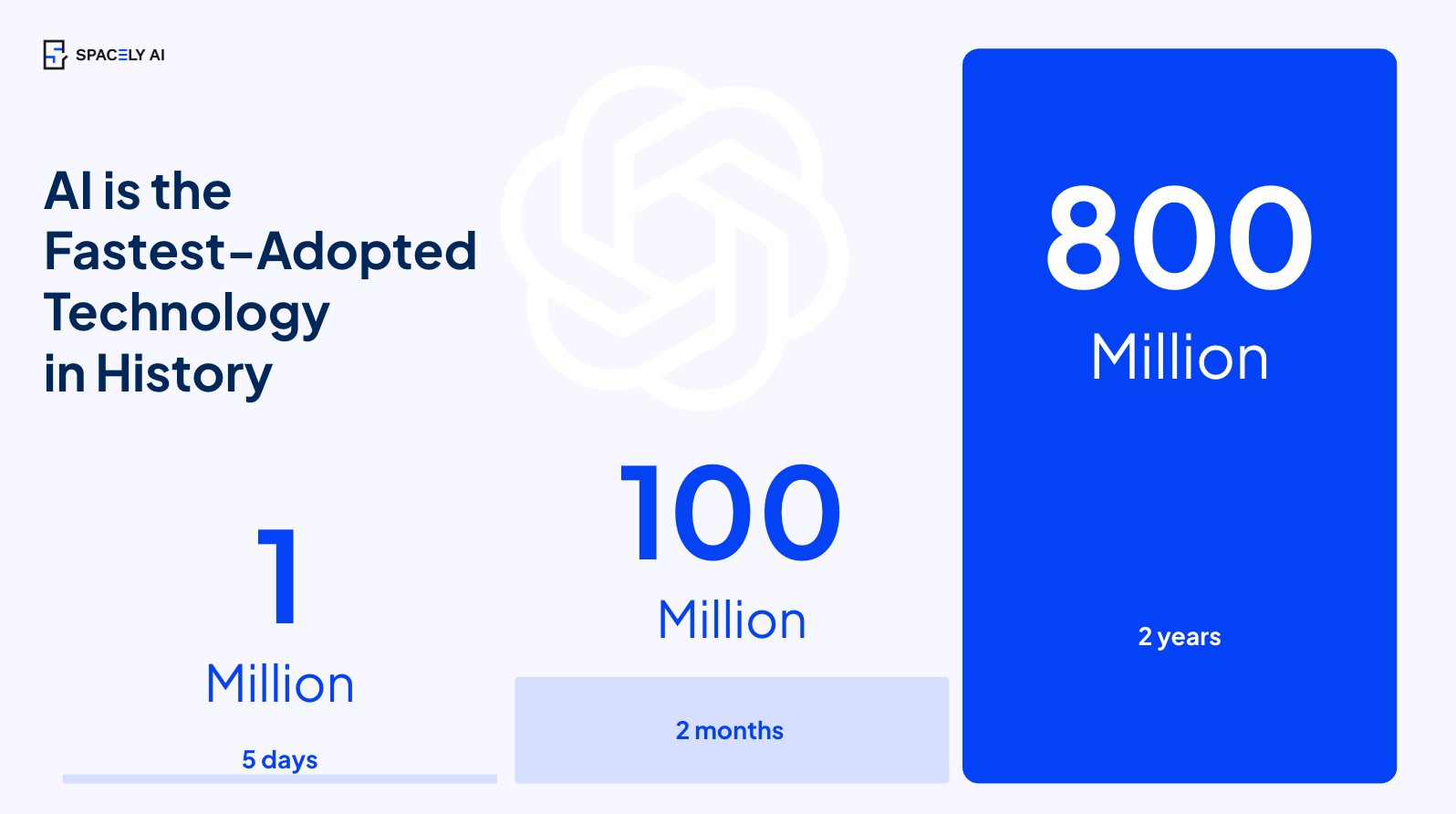
To understand this gap, it helps to look at how quickly AI has spread. ChatGPT reached one million users in just five days, one hundred million in two months, and over eight hundred million users within two years. That is an unprecedented level of adoption. To put that into perspective, that is more than ten times the population of Thailand. And this is just one application. AI access is now global, fast, and widely distributed.
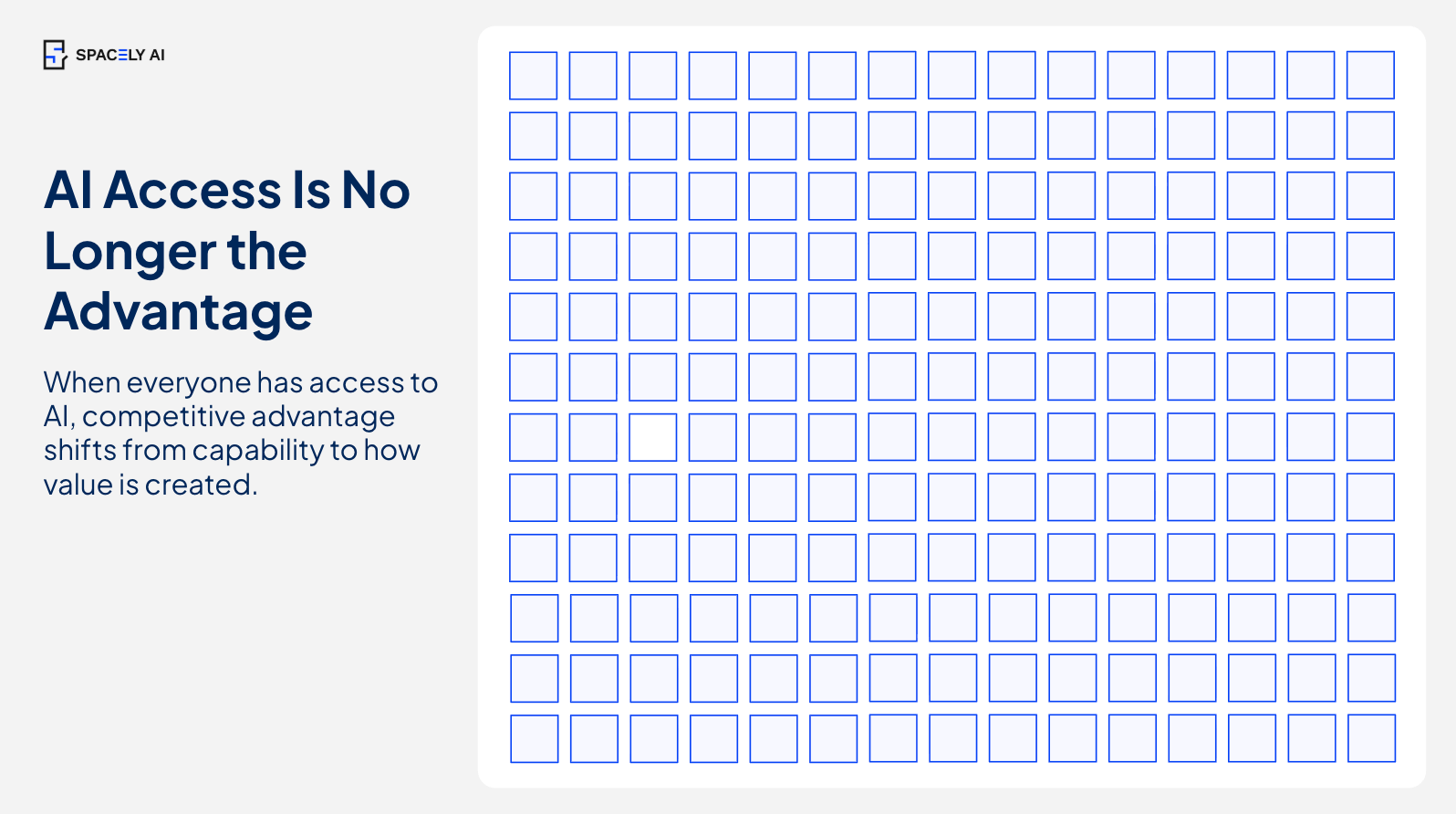
When access becomes universal, it stops being an advantage. Today, the most capable AI tools are either free or extremely affordable. ChatGPT, Claude, Gemini, and many open-source models are available to almost anyone. For around $20 per month, individuals and teams can access capabilities that were previously impossible. So the question shifts. If everyone has access to the same tools, why do some companies perform better than others? The difference is not the tools. It is how they operate with them.
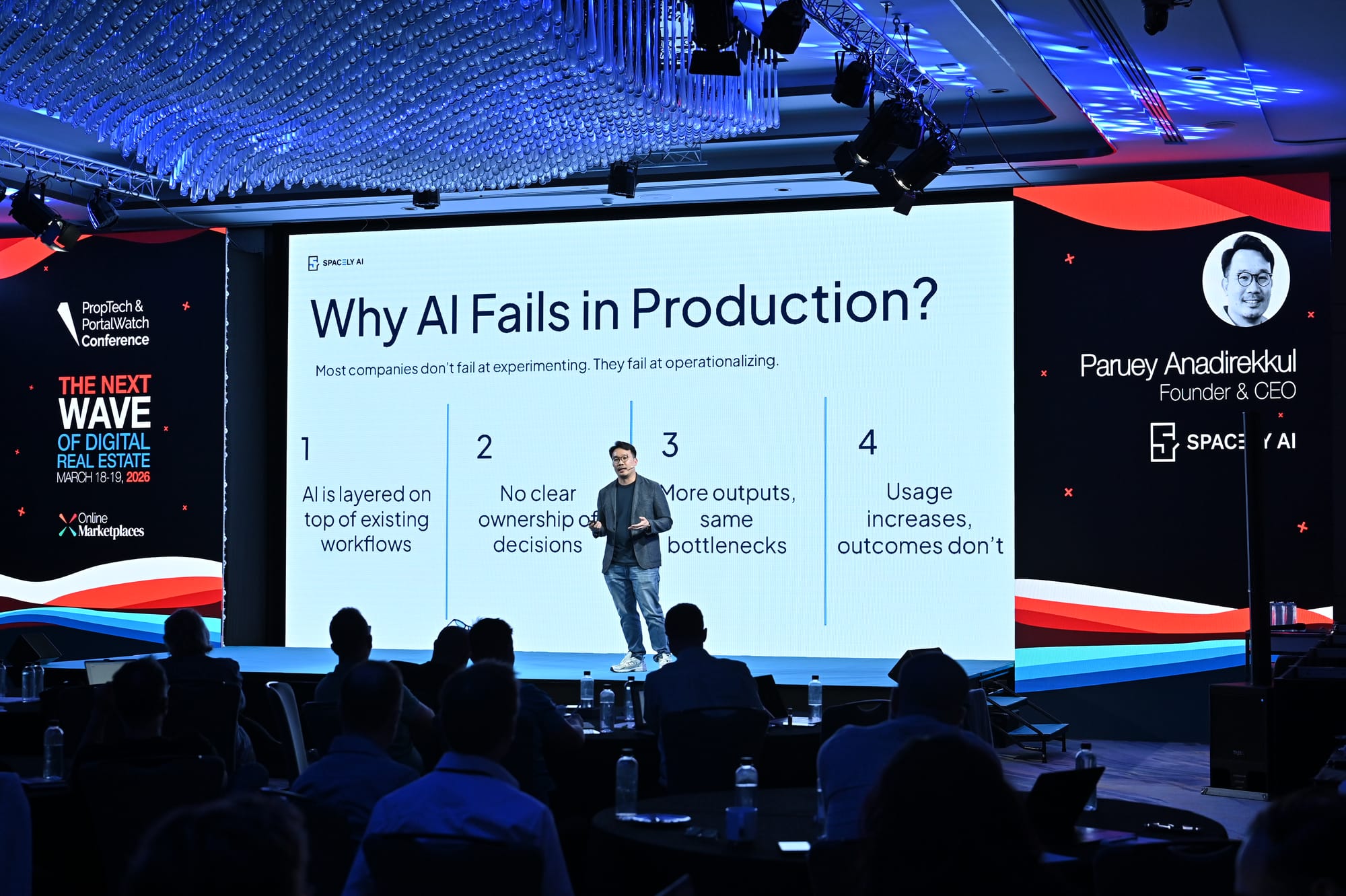
What we are seeing in most organizations today is strong experimentation but weak execution. Leaders purchase licenses, teams get excited, and productivity spikes in short bursts. But AI is often layered on top of existing workflows. Teams generate more outputs, but those outputs still go through the same decision processes. More outputs mean more things to review, approve, and align on. Instead of speeding things up, it often creates new bottlenecks. Execution becomes the constraint.
AI can generate ideas, documents, visuals, and code quickly and at low cost. But no matter how much output you produce, it still needs to be used. Stakeholders still need to align. Decisions still need to be made. Actions still need to be taken. This is where many AI initiatives fail. Not at the level of capability, but at the level of execution. The real challenge is not generating output. It is turning output into decisions.
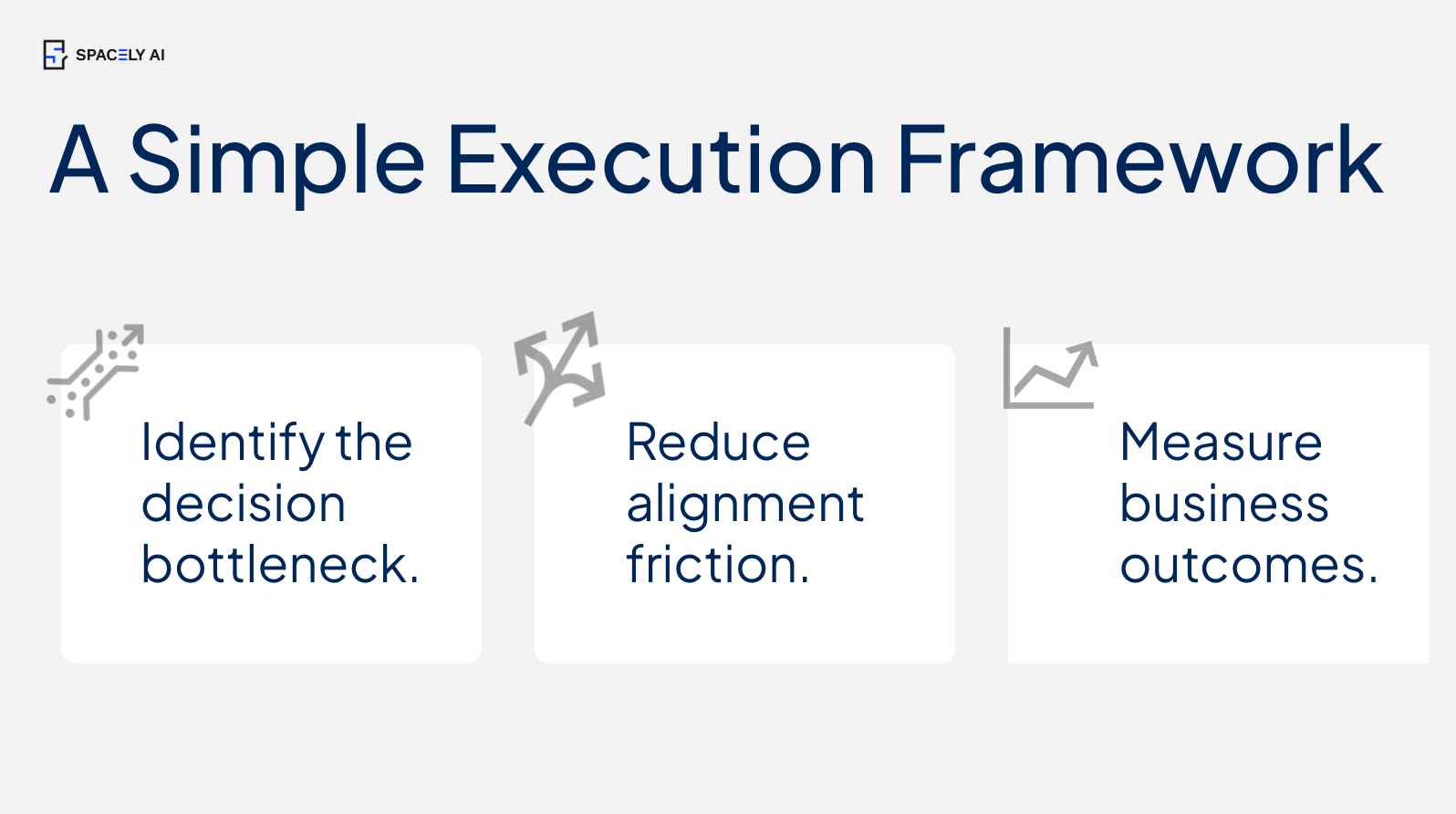
A practical way to approach this is through a simple execution framework. First, identify where decisions are slowing down in your workflow. Where do things get stuck because people cannot decide? Second, reduce alignment friction. What do stakeholders need to see or understand in order to move forward confidently? Third, measure success through outcomes. Did decisions happen faster? Did timelines improve? Did conversion rates increase? AI creates leverage when it shortens the distance between idea and decision.
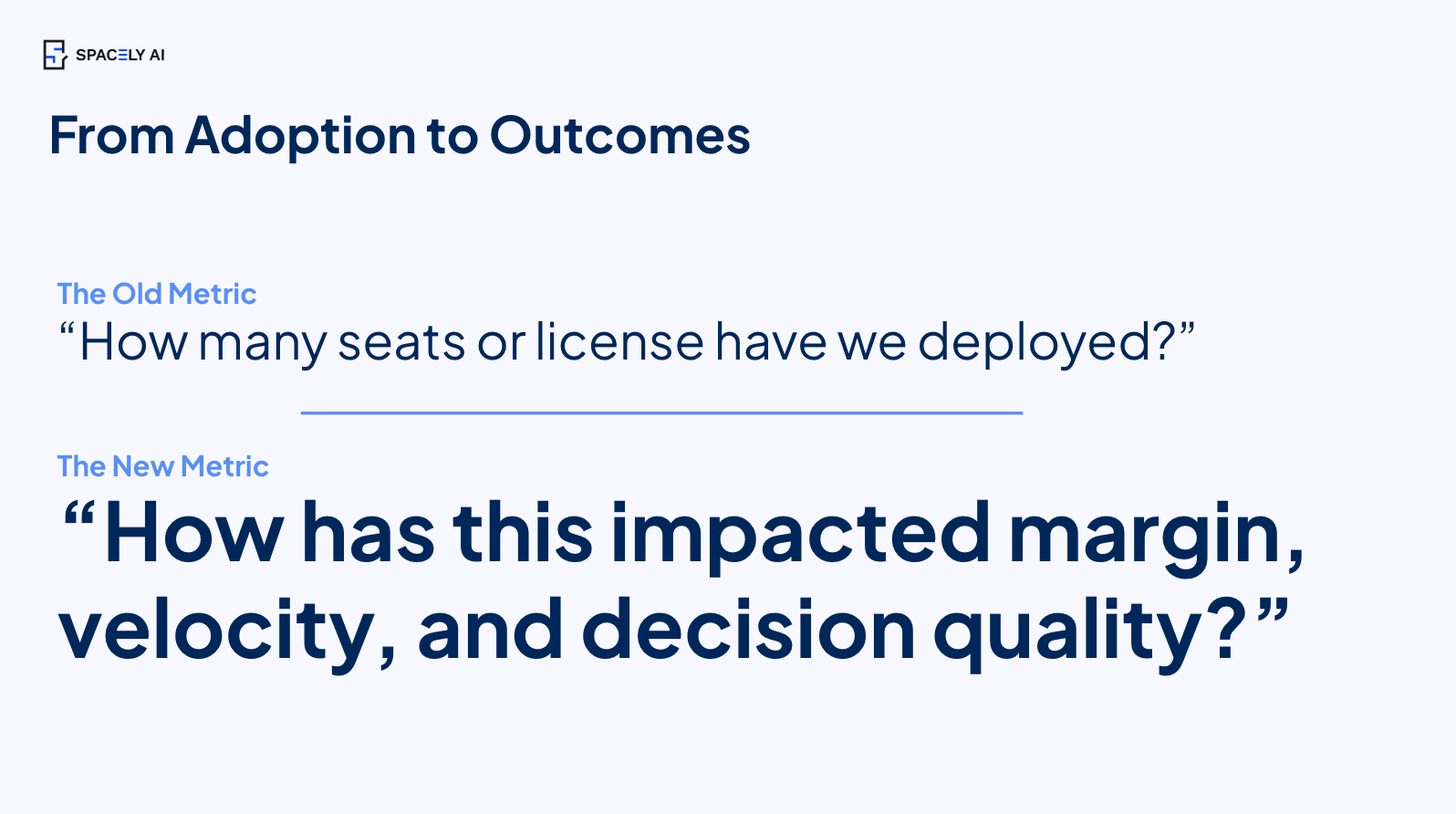
There is also a measurement problem. Many organizations track adoption metrics such as number of users, number of prompts, or number of tools deployed. These metrics show activity, but not performance. What matters is whether the business is actually improving. Decision speed, project turnaround time, and revenue impact are far more meaningful indicators. The shift from measuring activity to measuring outcomes is critical.
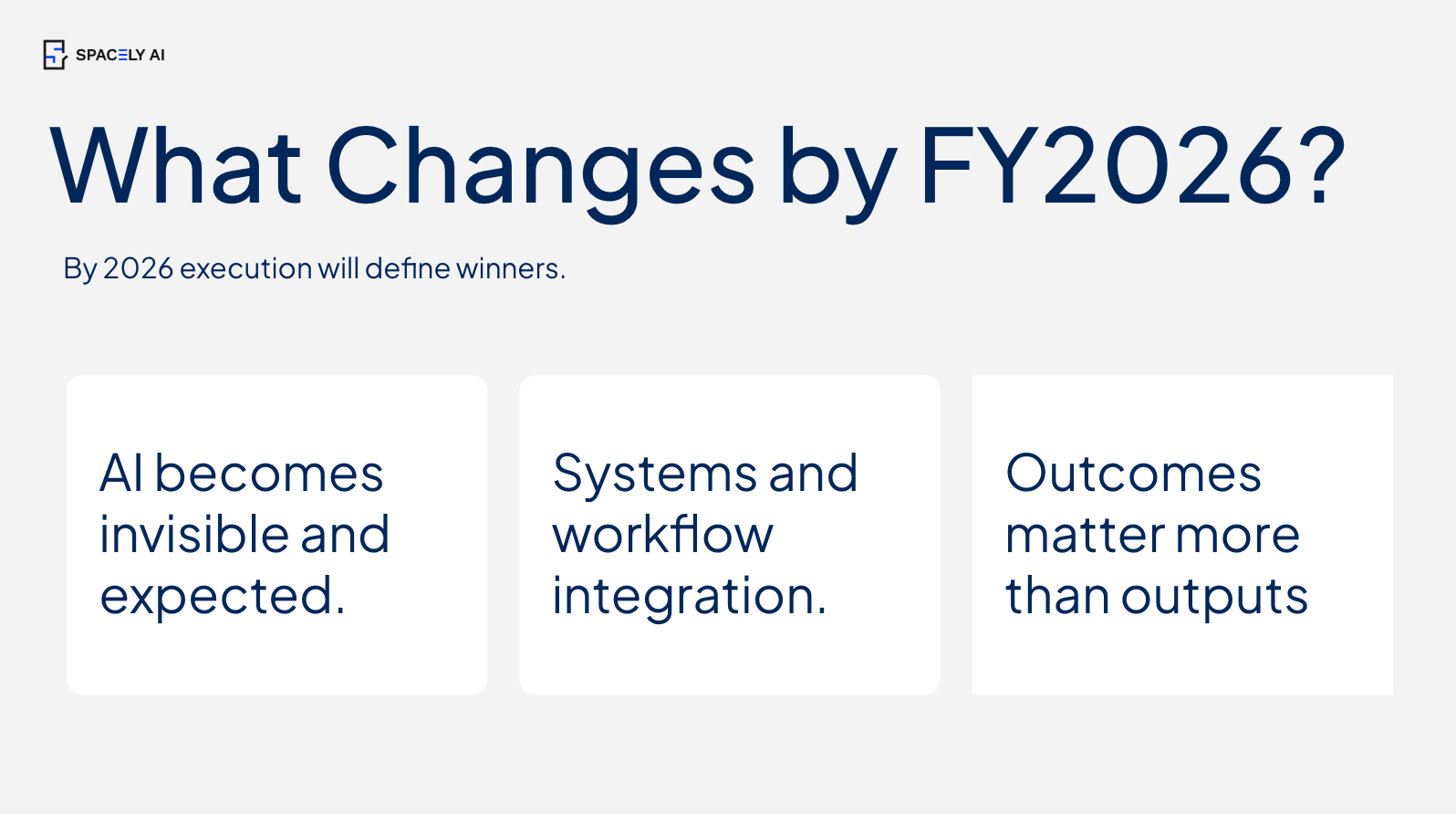
Looking ahead, this shift will become even more pronounced. AI will become invisible. Customers will not care whether something was done with AI. They will simply expect faster, better, and cheaper outcomes. AI will also become embedded into workflows rather than used as a separate tool. And businesses will increasingly measure success based on results rather than outputs. The companies that win will not be those with the most tools, but those with the best execution systems.
We have seen this pattern before with mobile technology. At first, mobile was treated as a novelty. Then companies built apps for specific use cases. Eventually, mobile became core infrastructure and entire industries reorganized around it. Food delivery, banking, and communication all became mobile-first. AI is following a similar trajectory. Today we are still in the adoption phase, but the shift toward integration is already happening.
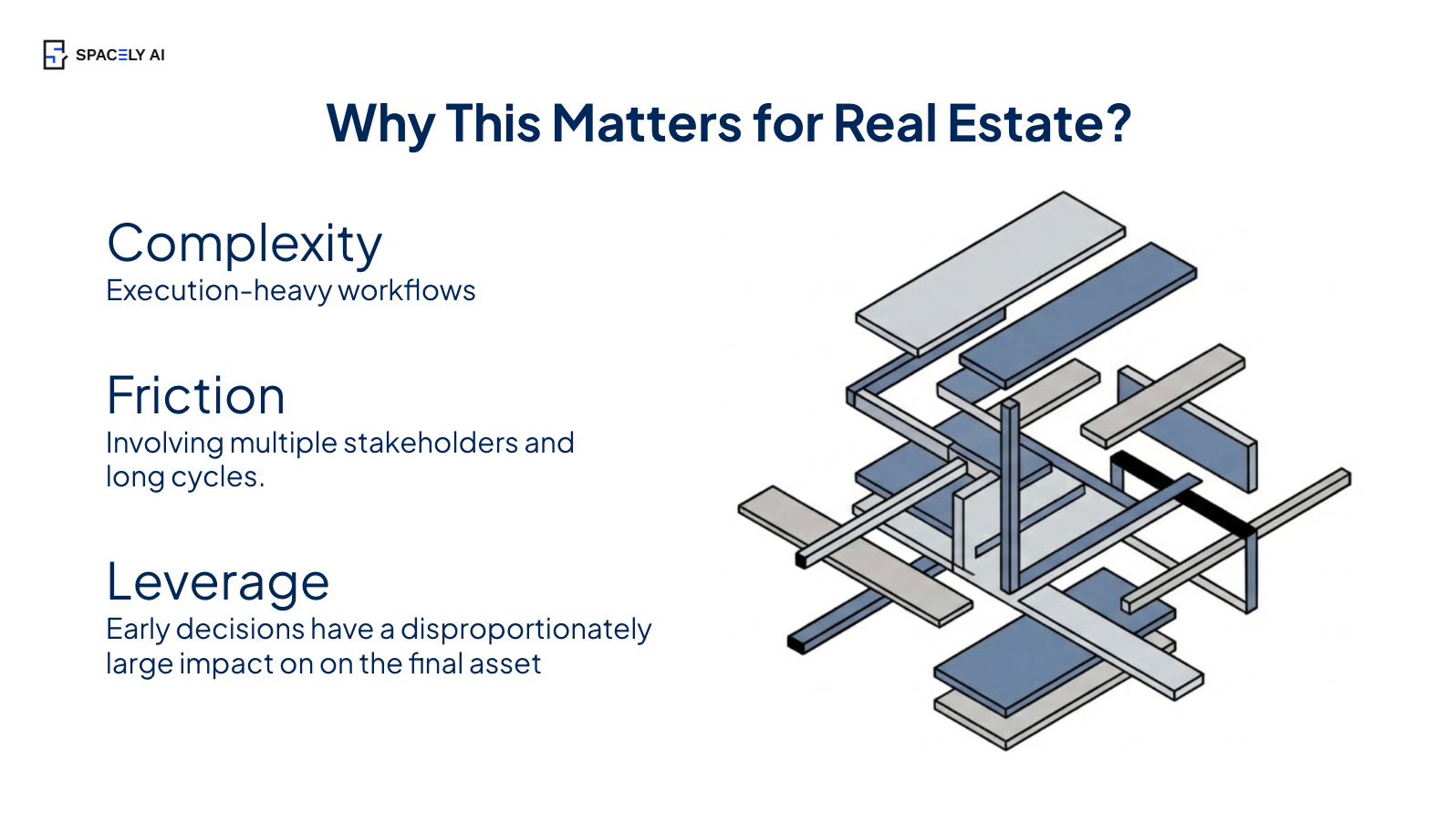
This shift is especially important in industries like real estate. These are execution-heavy environments with many stakeholders involved. Decisions depend heavily on visualization and alignment. Early decisions in a project have large downstream impacts on cost and outcomes. When stakeholders cannot clearly understand or agree, projects slow down and become more expensive. Improving decision speed directly creates business value.
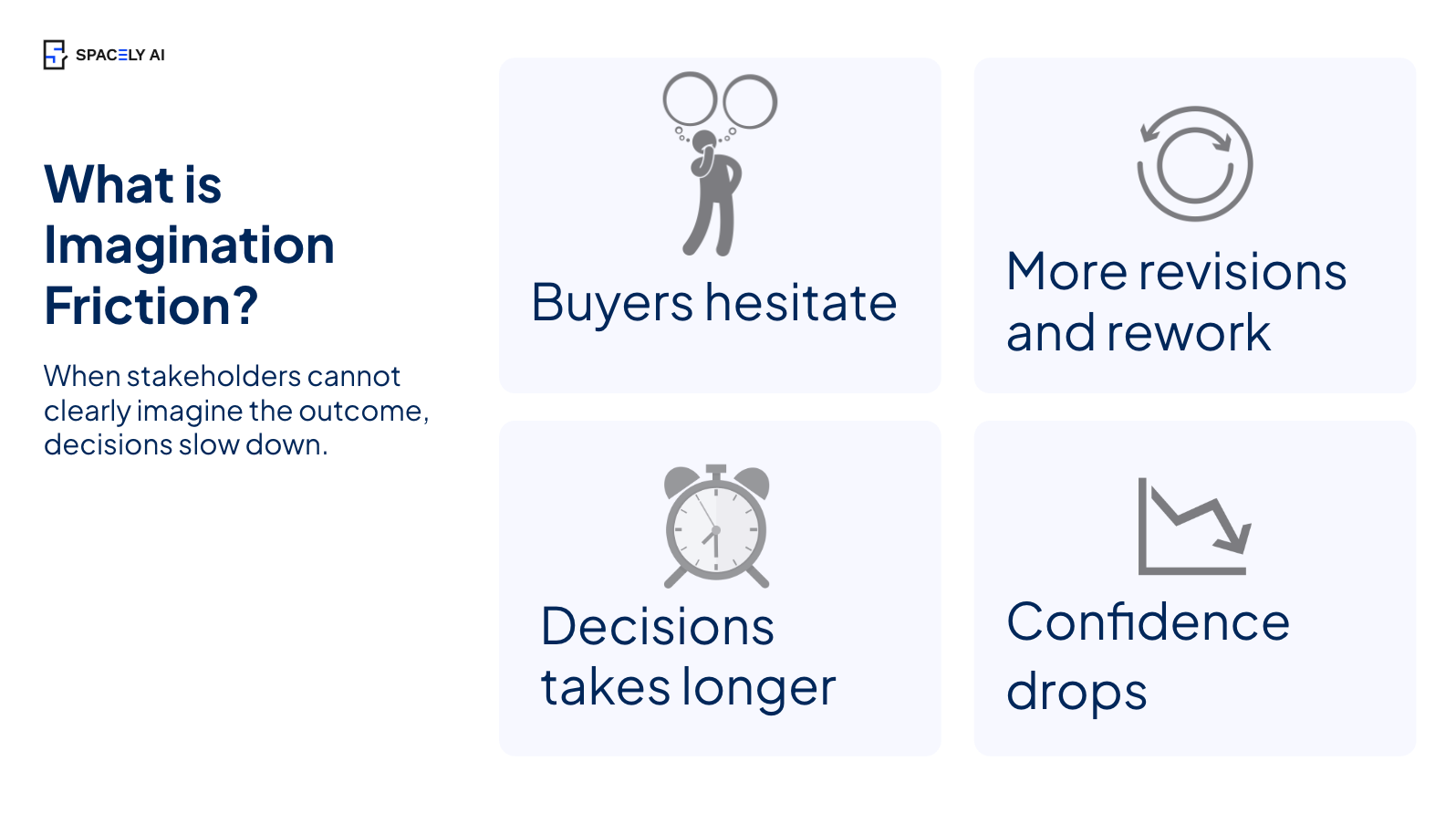
One of the biggest barriers to faster decisions in these industries is what we call imagination friction. This happens when people cannot clearly visualize the outcome. Buyers struggle to imagine what a finished home will look like. Designers cannot easily communicate intent. Developers cannot test scenarios quickly. When people cannot see the outcome, they hesitate. They ask for more revisions. They delay decisions. Confidence drops, and timelines extend.
Most businesses respond to this by pushing harder. More data, more presentations, more follow-ups, more incentives. But the problem is often not effort. It is clarity. Imagination friction blocks confidence. It is like pressing the accelerator while the parking brake is still engaged. The car does not move. The real solution is to remove the friction, not add more force.
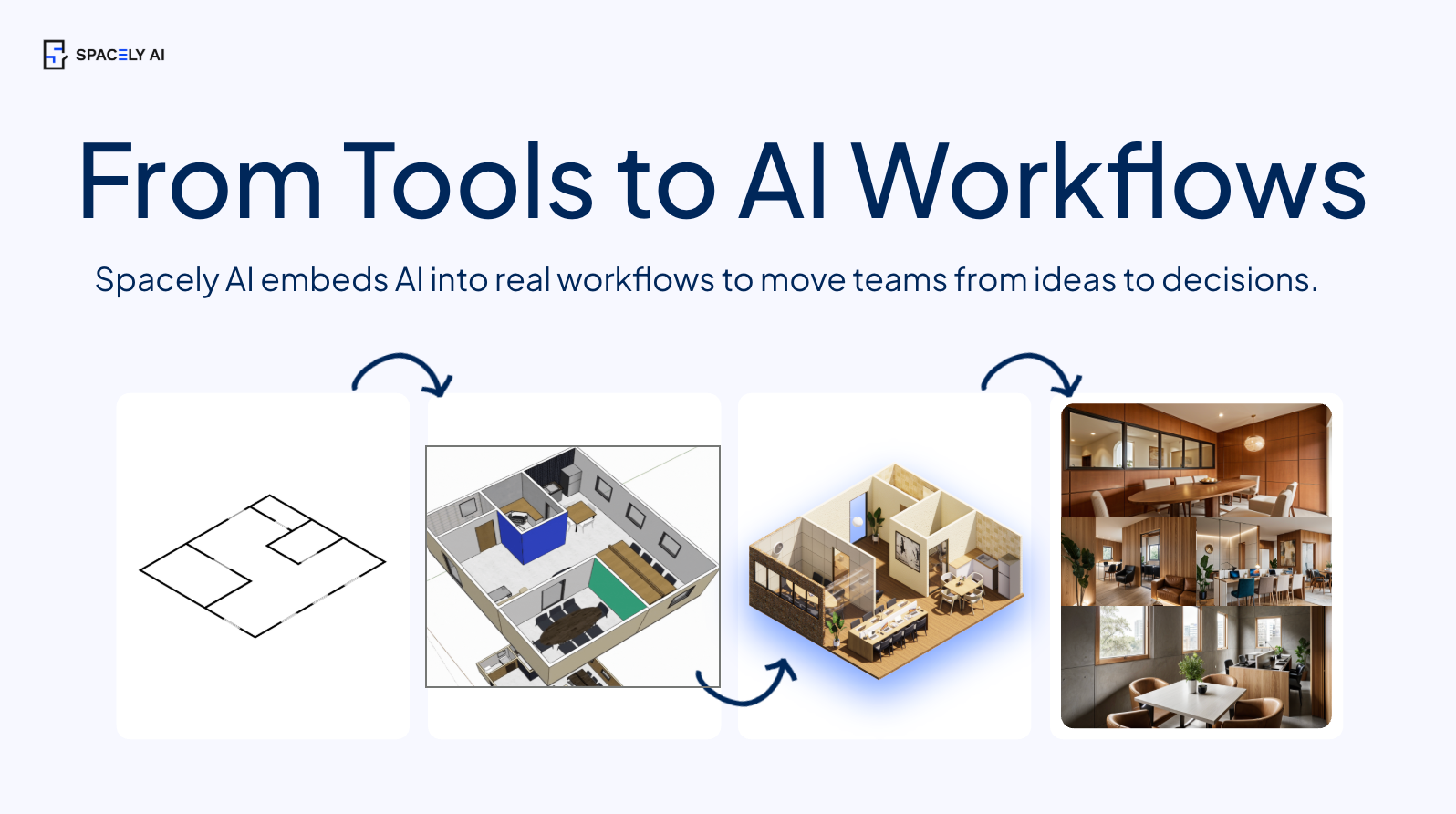
This is where Spacely AI fits in. We built Spacely AI as a workflow platform designed to reduce imagination friction. Our goal is simple: shorten the distance between ideas and decisions. We focus on real estate agents, interior design firms, and architecture studios where visualization is critical. By embedding AI directly into workflows, we help teams move faster from concept to visual to decision. The outcome is not just productivity, but faster and clearer decision making.
One example is an interior design studio in the UK specializing in acoustic interior design. Their challenge was slow proposal turnaround. Preparing visuals took significant time and effort, often up to a week per proposal. By integrating AI into their workflow, they were able to generate client-ready visuals in under an hour. The result was faster proposals, better client alignment, and quicker decisions. The real value was not just speed of production, but speed of execution.
Another example is a Thailand-based real estate company selling renovated homes. Their challenge was that buyers struggled to see the potential of empty properties. Traditional listings with empty rooms created imagination friction. By using AI to generate furnished visuals, they were able to bring clarity to buyers instantly. This increased engagement, improved confidence, and accelerated purchasing decisions. Again, the outcome was not just better visuals, but faster decisions.
As AI becomes universal, access will no longer define competitive advantage. Execution will. The companies that succeed will be the ones that integrate AI into their workflows, reduce friction, and accelerate decisions. The goal is not to generate more output, but to move faster with clarity and confidence.